 11
11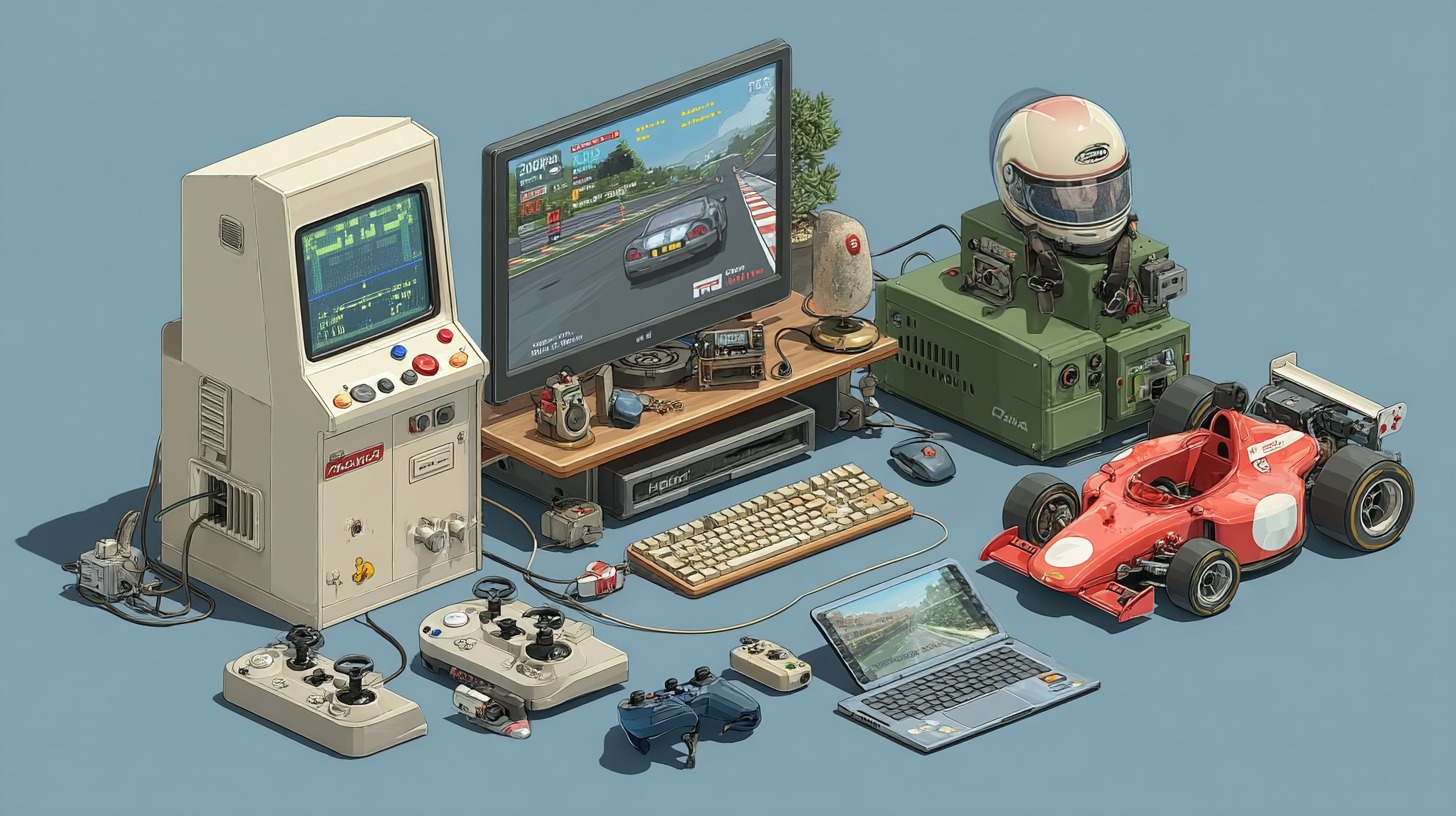
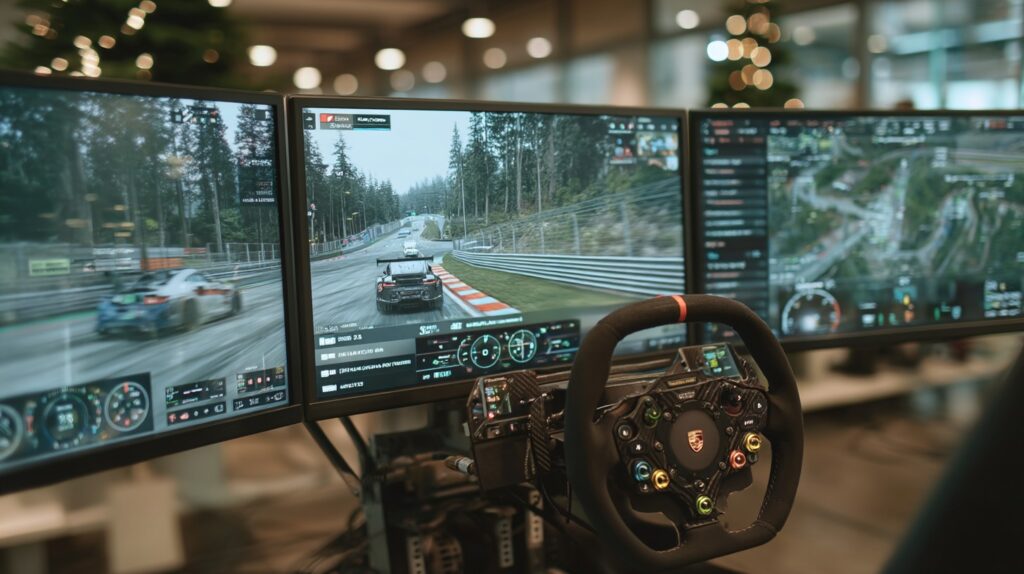
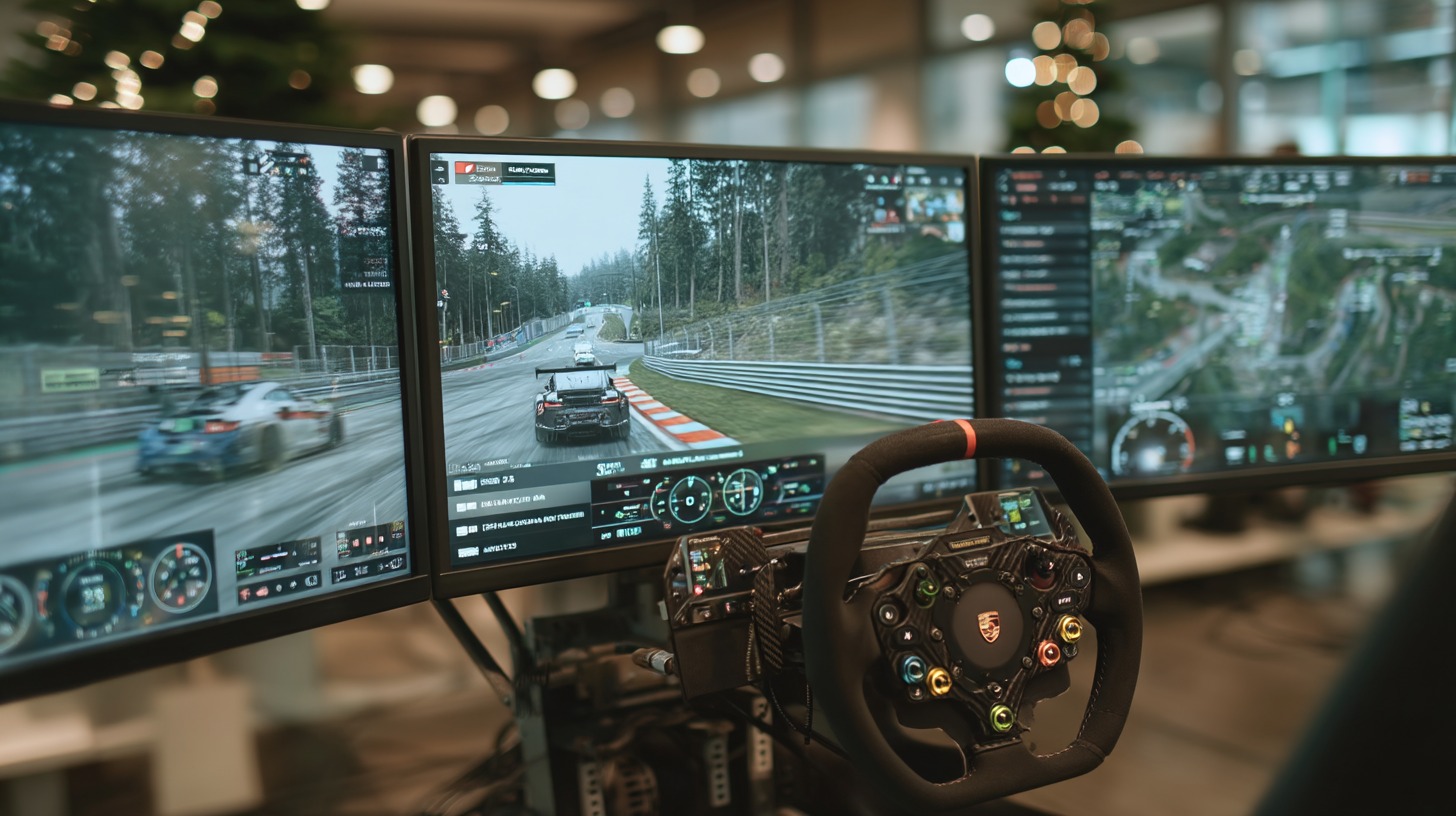
Car games have long been a staple of the gaming world, captivating players with the thrill of speed and competition. From their humble beginnings in arcades to today’s hyper-realistic simulations, the evolution of car games reflects advancements in technology and changes in gaming culture. Popular series like Need for Speed and Forza Horizon dominate the industry. Let’s take a journey through this exciting landscape.
While racing games allow players to push vehicles to their limits in a virtual environment, real-world driving involves responsibility and potential risks. For drivers on actual roads, having reliable vehicle insurance in Qatar is essential for protecting both motorists and their cars. Resources such as qic.online/en/car-insurance provide useful information about coverage options and help drivers understand available insurance solutions.
The journey of car games began in the late 1970s and early 1980s with simple graphics and straightforward gameplay. Classic titles like Pole Position and OutRun introduced players to racing in a pixelated world. These games often featured top-down or side-scrolling perspectives, which limited realism but maximized fun. The thrill of competing for the fastest time in an arcade laid the groundwork for future racing titles.
As technology progressed, the 16-bit era brought more vibrant graphics and sound. Games like Super Mario Kart not only introduced a whimsical take on racing but also paved the way for multiplayer experiences, allowing friends to compete against each other.
The 1990s marked a significant turning point in car game development. The introduction of 3D graphics transformed the gaming landscape, allowing for more immersive environments and realistic car physics. Titles like Gran Turismo revolutionized racing games by introducing simulation elements, including realistic car handling, tuning options, and an extensive roster of licensed vehicles.
Around the same time, the Need for Speed franchise began its rise, combining street racing culture with engaging narratives and stunning visuals. The shift from arcade-style gameplay to more nuanced simulations captured the attention of a wider audience.

At the core of this evolution are the technologies that power game development. Modern engines like Unreal Engine and Unity have made it easier for developers to create high-fidelity graphics and complex physics systems. The ability to simulate real-world driving conditions, such as tire grip and weight distribution, has elevated car games to new heights of realism. Additionally, motion capture technology has allowed developers to replicate the nuances of real-life driving.
Several key trends have emerged in modern car games:
One of the most significant shifts has been the move toward open-world gameplay. Titles like the Forza Horizon series have embraced this trend, allowing players to explore vast landscapes and participate in various events. The freedom to roam and discover adds a new layer of excitement to every drive.
The rise of online gaming has also transformed car games. Multiplayer modes are now a staple, allowing players to compete against friends and strangers. Games like Forza Motorsport and Gran Turismo Sport have developed robust online communities with leaderboards, tournaments, and user-generated content, enhancing the competitive aspect and keeping players engaged.
Looking ahead, the future of car games promises even more innovation.
Virtual reality (VR) and augmented reality (AR) are beginning to make their mark on the genre. VR titles like Project CARS provide an immersive driving experience, making players feel as if they’re behind the wheel. AR, on the other hand, has the potential to blend real-world driving with gaming, creating unique experiences.
As the automotive industry shifts toward sustainability, car games are adapting. More titles are incorporating electric vehicles and eco-friendly themes. This not only reflects real-world trends but also educates players about the future of transportation.